Spotting the Next Fringe Hit: How Adelaide Shapes Shows Before They Reach Edinburgh
24.02.26
Share this


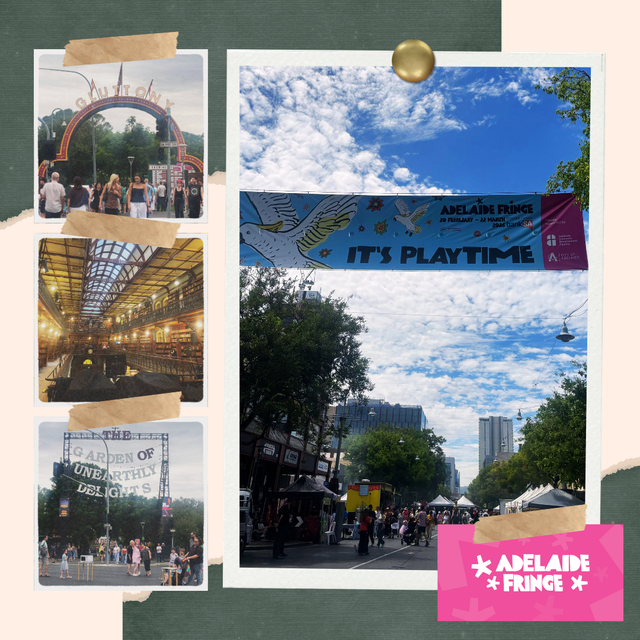
With Adelaide Fringe - the second largest arts festival in the world - now officially kicked off, our PR Account Manager Annabelle heads to the festival as a first-time Honey Pot delegate.
She’s there to offer insight into the comms and media landscape across Edinburgh Fringe and UK touring, while representing a few artists who have already worked across both festivals. For Mobius, being on the ground in Adelaide is a major milestone, as Annabelle notes: “Being here in person is really special as it allows us to see the work in its original context, catch that early word-of-mouth, and help artists start shaping their international story months before they even land in the UK. It’s really about carving out a fully shaped narrative and journey”
We hope that this is the first of many seasons spent bridging the gap between these two iconic festivals.
To find out more about this journey, we spoke to six industry figures, from artists to programmers, what the journey from Adelaide to Edinburgh looks like on the circuit; CEO of The List Magazine Sheri Friers, Marketplace Manager of Honey Pot Andy Beecroft, Executive Director of Summerhall Arts Sam Gough, Head of Artist Services at Edinburgh Fringe Chris Snow, artist and client Hannah Maxwell (BABYFLEAREINDEERBAG and I, AmDram) as well as artist and client Alley Scott of Dutch Kills (Double Take).
How does buzz build at Adelaide Fringe — and what kind of buzz tends to travel internationally?
Sheri Friers: Adelaide Fringe is a much smaller festival compared to the Edinburgh Fringe with approximately 1400 shows and a lot of buzz is built through word of mouth. The Adelaide Fringe is also an open-access festival which means there’s a varied mix of shows and everyone’s discovering things at the same time. Artists and industry engage almost daily throughout the Fringe at the Honey Pot events and 'must-see' shows spread fast. There are so many international attendees and it doesn't take long for some shows to have a lot of buzz about them and for this info to trickle back to Edinburgh. Several shows I saw at the beginning of the Festival had several offers from Edinburgh from word of mouth and recommendations coming out of Adelaide.
Andy Beecroft: Adelaide Fringe is Australia’s biggest arts festival and a staple component of the Adelaide arts calendar that people save up for each year and come out for in droves. It’s a festival that has been passed down from generation to generation with families, kids, teenagers and young adults coming out each night during Adelaide’s balmy summer season. Like Edinburgh, it’s a festival that literally takes over not only the city, but the state of South Australia - with shows performing as far away as 11 hours outside of Adelaide.
Internationally the buzz travels between December and Festival time each year. People from the Northern hemisphere have completed their festival cycle and here in the Southern hemisphere, we begin ours from January – March with Adelaide Fringe being the focal point. International Shows that have done well in Edinburgh come over here and find new audiences. Adelaide Fringe is also a festival that showcases new works from artists and companies that will take work over to the UK or Europe 4-5 months later. Industry come out to discover the ‘hot’ shows from Adelaide to tour later in the year.
Sam Gough: I think there are two ways in which buzz is built in Adelaide: the first is from shows that have done well in the previous Edinburgh Fringe which then come to Adelaide with that certain buzz attached. Typically these shows will be able to display those reviews and stars to catch more attention. For shows that are premiering in Adelaide with a view to then go to Edinburgh, it’s the previous work that can help. To build buzz at Adelaide Fringe, choice of venue is vital; as shows don't run all day, you need a location that offers maximum exposure during short audience windows. It is also important to engage with initiatives like Honey Pot, which is highly successful at connecting artists to presenters and curators throughout the festival. Regarding what travels internationally, you must know your destination festival and audience. If you are heading to Edinburgh Fringe, focus on creating the reviews, awards, and "talking heads" needed to build a story behind your show; this allows you to hit the ground running and make those vital international connections with a decent audience already in place.
Chris Snow: The welcome and embrace that the city of Adelaide gives the Fringe - its artists and audiences - is totally brilliant. Buzz builds in a similar way to Edinburgh, very much reliant on word-of-mouth and in the unpredictable magic of chatting to strangers in queues for shows and drinks. For visiting programmers and producers, the Honey Pot programme helps artists and industry find each other, just like our Fringe Marketplace programme in Edinburgh does. There are regular returning favourites in Adelaide who's work I always love to see but always some surprises too - and there's nothing like getting into a new show that everyone's talking about, which you just know is going to soon be seen all over the world.
Hannah Maxwell: A million-ticket question! I think it builds in similar ways to Edinburgh, but more slowly perhaps, and more siloed by kinds of audiences. So local Adelaidians will have the shows they are chatting about, international artists another, cabaret artists, comedians will have their own buzzy things. Whereas at Edinburgh, if something is buzzy, then literally everyone seems to suddenly have heard of it.
Alley Scott: I think buzz builds organically. People gather at the bars on rundle street and talk a lot. Especially at the Exeter and the Austral. Those are the hubs that are not specifically fringe sanctioned, but where the locals and artists hang out together and share their experiences.
What does Adelaide Fringe allow artists to test or refine that isn’t always possible before Edinburgh? Have you found that a show changes much between the two?
Sheri Friers: I think that the Adelaide Fringe gives artists room to experiment in a way that’s different to Edinburgh. For one, the season is longer and therefore the pressure is a bit lower and shows can tweak and evolve as the festival progresses. And second, artists can test pacing, jokes and audience interaction in front of real crowds and respond to reviews and make changes mid-run. Last year, we reviewed a show in Adelaide which was on the lower end of the scale and the artist took the positive criticism, reworked the show and when it was reviewed in Edinburgh, it was a 5* show from several outlets.
Andy Beecroft: Like Edinburgh, Adelaide is very much a festival that sees new, exciting and bold works present in front of live audiences and industry through our international arts marketplace – Honey Pot. Creatives take a risk on trailing new works because they can opt into the marketplace and have immediate and constructive conversations. It also allows shows to try them out in front of audiences and make adjustments and tweaks within the season or afterwards before they head out to other major festivals and venues. Generally here we see that our industry programmers identify the must see shows that will compliment their programs during their time in Adelaide and once the show gets to Edinburgh, its experienced a successful fringe season, has great marketing collateral and is ready to hit the ground running once there.
Sam Gough: There are now great opportunities for critical reviews in Adelaide which there hasn’t been in the past, and what that will allow, is for artists to genuinely take on some feedback. Speak to audiences afterwards, participate in Honey Pot and other networking opportunities with presenters and producers to find out what worked and what did not work - that in itself can help refine a work before it does come to Edinburgh. Sometimes work does change dramatically from one festival to the other, sometimes it's improved, and sometimes, sadly, it is made worse by altering it too much. But those are the risks you take - art is live and productions are live art, so they are bound to evolve and change shape in this process.
Chris Snow: Adelaide is a big festival, but because work tends to start later in the day, there is less intense pressure on trying to fit meetings and rest between shows than there can be in Edinburgh. Therefore it naturally gives artists (and audiences!) a bit more space to breathe, explore the city, enjoy the sun (hopefully!) - and recharge. We see artists at Edinburgh really excited about Adelaide, and vice versa I meet loads of shows in Adelaide who are keen to find out how Edinburgh works (artists can reach me through Honey Pot for an informal chat) - it's brilliant to see such an exchange of shows across the two festivals.
How important are Adelaide audiences in shaping or validating a show before it moves on?
Sheri Friers: Adelaide audiences are hugely important in shaping a show before it moves heads overseas. Adelaide audiences seem to be keen to support new talent and take a chance on new work and this lets artists gauge what connects and what doesn’t and get real-time feedback.
Andy Beecroft: Audiences here in Adelaide actively create buzz. Like Edinburgh we have hundreds of shows on offer each day and ‘sold out’ shows or ‘must see’ shows quickly filter into the festival eco-system. Each year Adelaide Fringe runs Honey Pot and has participation from over 400 key industry programmers from over 30+ countries. Seeing a show in front of an audience and seeing how they react or engage has a quantifiable outcomes in the hundreds of bookings we see through Adelaide year on year.
Hannah Maxwell: You’re going to learn a lot about accessibility and marketability, I’d reckon. If something works in Adelaide there is a good chance it would work well on tour in the UK. Edinburgh is so vast you can sometimes get a false sense of how shit-hot you are.
Sam Gough: All audiences are different, but also all audiences’ opinions matter. Truly International festivals such as Edinburgh and Adelaide have that ability to offer opinions that are really important. So it is about taking that opinion, deciding whether or not it's valid and using that information before making any artistic decision to make changes.
Chris Snow: What's particularly magic about Fringe audiences, at Fringe festivals all over the world, is that they're naturally excited by new work and new ideas - they love taking risks in what they see in the hope that they discover something that might challenge their perceptions or bring them new experiences. Fringes can be the best places to try things out and see what lands with audiences, knowing that there is a friendly and willing crowd who are up for going on a journey with an artist. But the right show can really catch a spark at festivals like Edinburgh and Adelaide - Fringe fans love spreading the word, and validation from them and from reviewers and industry can be game-changing in developing careers.
Alley Scott: They are an audience like any other. Every audience member is of course maximally important if we can reach them. And their feedback is always welcome. Adelaide audiences specifically seem a little less jaded maybe? A little less like they've seen it all before? So they come a bit more open to new experiences I find.
Is there a space in Adelaide that feels particularly important for artists, and is there anywhere in Edinburgh you’d compare it to?
Sheri Friers: Adelaide has so many hubs and venues. A couple that stand out are The Garden of Unearthly Delights and Gluttony as it’s where artists, audiences and industry all meet. I also love the Courtyard of Curiosities and the Rhino Room - both have brilliant programmes and both have helped launch many a show at the Edinburgh Fringe. In Edinburgh, you get similar vibes at places like Summerhall, the Pleasance, Assembly and Gilded Balloon's spaces. These venues function as social and industry centres as much as they do as performance venues.
Andy Beecroft: I think like Edinburgh, Adelaide is taken over by the artistic communities when the Fringe is on and the city itself is a playground for creatives, inhabiting spaces and venues that get audiences talking and inspiring others to make art themselves. Here in Adelaide we are fortunate with the weather and this allows us to install temporary festival infrastructure in the parklands that surround the city, which in turn sees thousands of festival goers spill into day after day. Imagine somewhere like Assembly George Square Gardens on a much bigger scale across sites in the city and that’s what Adelaide is like and does best!
Hannah Maxwell: The HoneyPot networking programme for industry and artists is delightful, and reminiscent of very little at Edinburgh – which, again, is so big it’s very difficult to get yourself into the useful conversations you really want to. Courtyard of Curiosities has an excellent Summerhall-esque vibe, I think, in that it’s cool, buzzy, eclectic and Casey Jay Andrews is in the basement. Arthur’s Artist Bar is the real deal for alternative performance spaces (can’t wait for Ben Volchok’s hot-tub-based show there this year) and semi-legal artist parties, which reminds me of the kind of mad fringe-night-life events you’d get at Edinburgh 10 years ago but less so now.
Sam Gough: Adelaide is similar to any large festival, where work will come together into places where similar work is being presented. There are spaces for circus, there are spaces for cabaret and comedy. Adelaide, very much like Edinburgh, has big hub venues like Assembly and Underbelly, those being Gluttony and the Garden of earthly Delights. The Courtyard of Curiosities at the Migration Museum curates an experimental programme of new writing not dissimilar to the shows curated at Summerhall!
Chris Snow: All artists at Adelaide Fringe should visit FringeWORKS, which this year will be at Tandanya (253 Grenfell St). It's a hub for artists during the Fringe, a place to connect with other shows, meet Honey Pot delegates and catch up with the Adelaide Fringe team. We'll be running an event there for artists about Edinburgh, alongside some Edinburgh venues and experienced producers too. FringeWORKS is a bit like Edinburgh's Fringe Central - our participant hub, which is always full of artists resting, working, warming-up and making connections that only happen at festivals like ours.
As Annabelle joins the Honey Pot networking sessions over the next week, meets with various artists and industry figures as well as checking out some of the incredible shows Adelaide Fringe has to offer, she’ll be looking for those "threads" that connect these two global stages. Get in touch if you’d like to learn more.
If you'd like to keep up to date with all our blog posts, important and interesting stories in the worlds of theatre, arts and media, plus job ads and opportunities from our industry friends, sign up to our daily media briefing at this link.
