What does international acclaim actually mean?
22.07.26
Share this


We’ve worked with international companies for the past twenty years, whether they’re bringing work to the UK, UK companies taking unusual projects to international venues, or international projects in need of UK press, so decided to talk to some of the companies we’ve worked with year-round about working in the UK and its impact on audiences here and in their home locations. What’s the benefit of it? How do the audiences connect differently? What does “international acclaim” even mean?
“For international artists, ‘international acclaim’ is not simply about receiving positive reviews or recognition from another country,” says Chenye Gao, who we worked with on Wing Chun by Joyway London at Sadler’s Wells and who’ll be bringing My Screaming Pomegranates to Edinburgh Fringe. “In practice, it creates a bridge — allowing ideas, stories and voices that may not always be heard within their original cultural context to reach new audiences and become part of a wider conversation. For many artists, this recognition carries a deep sense of identity and belonging. When a work rooted in a particular culture or personal experience is understood internationally, it validates the importance of those voices and shows that they have a place in the global artistic landscape.”
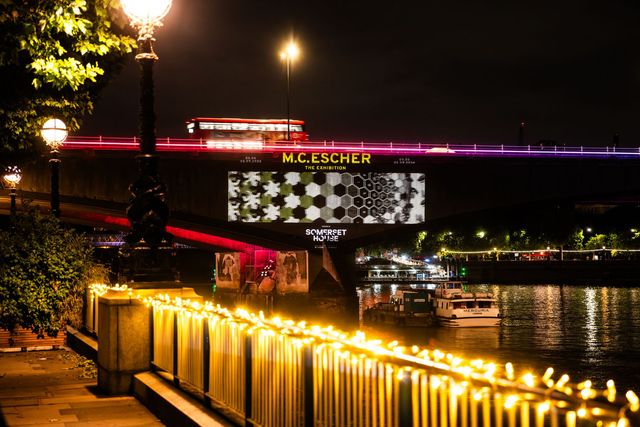
Serena Martinis from Arthemisia (M.C. Escher: The Exhibition at Somerset House), echoes the sentiment “What's stood out with Escher at Somerset House is how people are engaging with it, not just visiting it. Reviews have been strong, but so has word of mouth, people returning with friends, spending long stretches in the interactive rooms, talking about the show afterwards rather than just ticking it off.
“That matters for a show built around optical illusion and mathematics rather than one famous painting or period. London audiences have taken the time to get into it. This is our first exhibition here, and the way it's landed makes London somewhere we'd want to bring future shows to.”
Yuki Katsu, who we’ve worked with on three NODA Map shows including their most recent -320°F, also at Sadler’s Wells, said, “Hideki Noda, and his theatre company, Noda Map is very popular in Japan. The principle actors are usually famous in theatres, as well as movies or TV dramas. So, tickets are usually sold out in Japan.
“However, it’s a totally different story in London. The biggest differences in the audiences in London and Tokyo is that, in Tokyo, the audiences buy the highest price tickets even if they don’t know about the production, whereas in London, the cheapest tickets are sold first. The best experience we had this time was that we had more than 25 reviews, which never happened to us before. In the second week of our run, we saw audiences popping into the theatre to buy tickets on the day.”
Chenye Gao added, “The UK offers a valuable space for this exchange. Engagement from UK audiences and critics can help artists build lasting relationships, opening opportunities for collaboration and future growth. International recognition also becomes an important endorsement when artists return home, bringing greater trust, visibility and new possibilities. This is why artists continue to return to the UK — not only to present their work, but to continue developing connections and expanding the life of their practice.”
If you’re working planning on bringing any international shows to the UK we’d love to hear from you, do get in touch.
If you'd like to keep up to date with all our blog posts, important and interesting stories in the worlds of theatre, arts and media, plus job ads and opportunities from our industry friends, sign up to our daily media briefing at this link.
