UGC: Behind The Scenes of Building a Community
04.12.25
Share this


In our “Influence in Play" series, Mobius’ Influencer Team look at the value of online fandoms and social media content creators and the rise of User Generated Content in arts marketing and PR.
You can read the first instalment from Marketing Account Executive Juliet here, which explores authenticity in UGC.
This second blog, from Communications Assistant Eve, delves into the power of UGC in the world of theatre influencers and content creators.
From “RENT-heads” to “Cornnuts”, the growth of theatre fandoms and communities has only increased with the presence of user-generated content on social media. Take Jamie Lloyd’s EVITA: whether you were sitting in the auditorium of the London Palladium, standing outside on Argyll Street, or at home with your phone in hand, you have most likely seen Rachel Zegler performing Don’t Cry For Me, Argentina. Videos of the performance spread like wildfire, drawing thousands outside the theatre. But there is the key point: people didn't just watch the moment on their phones, they needed to witness it for themselves.
Some creators have built entire communities around their love of theatre, becoming an essential part of both the theatre world and a show’s success. UGC works for them because they already have influence — the trust and connection they share with their followers make their content feel genuinely authentic.
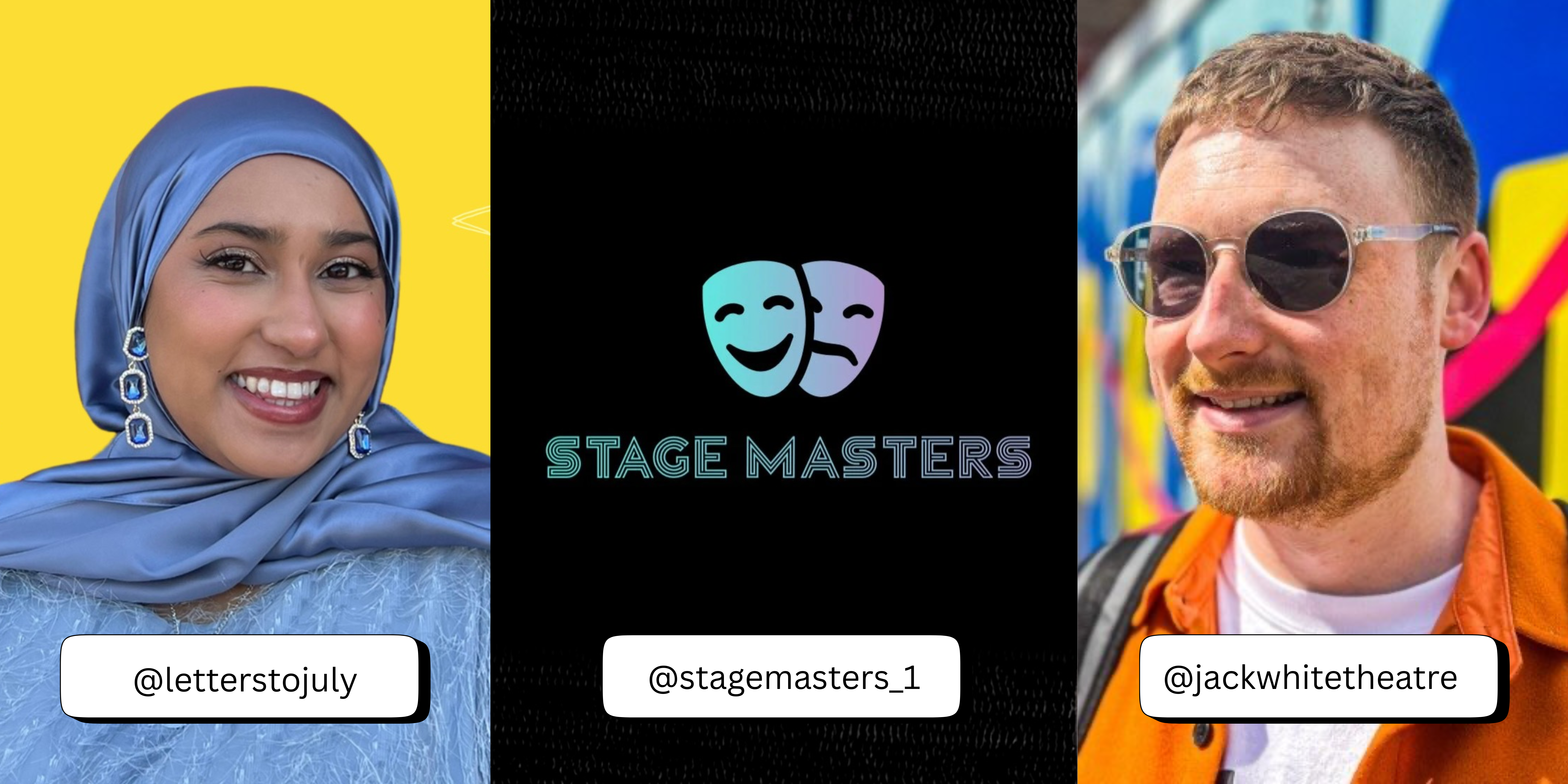
To explore the power of influencer UGC in arts marketing, we asked three theatre influencers, who each make different styles of content about theatre, to share their own perspectives. Nishat (@letterstojuly) runs a stagey merch shop; Sam (@stagemasters_1) is an independent theatre reviewer; and Jack (@jackwhitetheatre) is a neurodivergent theatre nerd.
What first inspired you to start creating content about theatre?
Nishat: As a sentimental person, I’ve always loved documenting my theatre trips through scrapbooking; combining my passion for art with my love of the stage. When I started sharing my art online, it naturally evolved into creating more theatre-focused content and videos.
I didn’t grow up with theatre around me; my only exposure really was the occasional school trip to see a Panto. So when I finally discovered theatre for myself, it wasn’t something that the community around me quite understood. Making theatre content became a way for me to connect with others who shared the same appreciation for the arts.
Sam: I have always had a passion for all things theatre, and after going to see anything and everything multiple times a week and giving written reviews/recommendations to friends, I was encouraged to create a platform where I can post these thoughts solely. I never expected for the account to grow to what it is today and I'm extremely proud of all that has been achieved by myself and the Stage Masters team.
Jack: Loads of my friends (fellow neurodivergent theatre-goers) kept asking me what I thought of shows and for sensory information. So, I set up a public page to list every show I see and share my thoughts. My memory’s rubbish, so it’s actually really useful to look back and remember what stood out!
How do you think influencers and content creators have changed the musical theatre community?
N: Through influencers and content creators I have been able to expand my horizons - and look beyond the long-running musicals you see advertised everywhere. Content creators have the capacity to spotlight new and exciting projects that may not get as much mainstream attention.
S: I think it has broadened the community and opened it up to a much younger skewing audience. I think in the way of social media, multiple news and reviewing outlets no longer filter down to a younger generation, and the use of platforms such as TikTok and Instagram have been captured by content creators such as ourselves. We also have the freedom to create content which we want without any restrictions around formalities, and this informal content often engages people with productions and excites them more than a traditional review would.
J: Hmm, creators (and meme culture, funny videos etc) have made theatre feel way less exclusive I think. They bring like-minded people together fast, build communities, friendships, and help shout out all of the wonderful regional theatres, especially outside London.
What type of content do you most enjoy creating?
N: I enjoy seeing a variety of content - whether that’s tailored recommendations (if you enjoyed X, you’ll enjoy X), in-depth reviews, or a Day in the Life! I tend to steer towards content that is personable, creative and fun.
S: Myself and the team most enjoy writing our reviews as it is our bread and butter and what we are best at. I have also loved creating our interview series "A Coffee And A Chat with Stage Masters" as I have loved being able to have informal and interesting interviews with some of the biggest names in the theatrical world. But the bread and butter of what we do has always been our snappy, Instagram caption length reviews of shows.
J: Short videos! Especially sensory tips and “what to expect” stuff. I also love flagging up relaxed and accessible performances for people who might not even know they exist.
Do you find user generated content or assets from shows perform better on your channels?
N: UGC definitely performs better as it feels more authentic and allows the content creator to express their experiences through the voice the audience knows them for. I much prefer to hear about someone’s theatregoing experience than watch promotional material.
S: I feel that the user generated content does better as it allows more personality from the account to come through rather than another copy and paste of PR assets which flood the timeline with the same imagery / captions as many other outlets. By sharing our own content we stand out in an extremely crowded content creation market.
J: I mostly make my own stuff so the page feels unique. There are loads of accounts posting the glossy PR pics already, my audience seems to like the personal stuff more.
How do you think the impact of influencer content compares to traditional theatre reviews?
N: Traditional theatre reviews can typically be reviewed by the same demographic - a demographic I cannot relate to. Influencer content is much more reflective of the average theatregoing experience. I personally try to follow as many global majority background creators as I can, to ensure my timeline is full of shows that represent and resonate with me.
Making a video about a show you love is far more accessible than reviewing an article for a newspaper - and ultimately, that’s why I think influencer content is more impactful. It’s honest and real, and stems from a celebration of the stage and a desire to shout loud about the shows you love.
S: Similar to above, I truly believe it boils down to creativity without restrictions, but also allowing another opinion and voice to be heard that may resonate with the few that don't agree with the masses. A difference of opinion is always healthy and needed, and I believe that the influencer content if done correctly will encourage any number of people to book/see shows they may not have wanted to before.
J: This is a big question! I feel both have their place. Influencer videos are instant and spark conversation, traditional reviews give analysis and context. Personally I’d rather watch a quick vid and chat about a show with friends than read a long article behind a paywall, but traditional critique still matters.
If you’re interested in chatting more about our theatre influencer campaigns please do get in touch.
